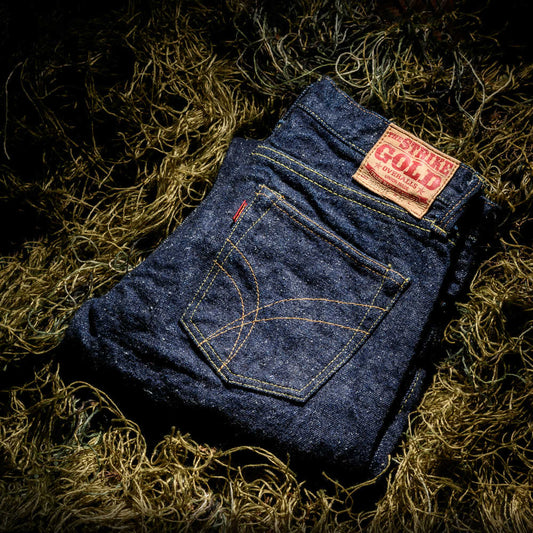
In denim, oz refers to the weight of the fabric per square yard. As a general rule, a higher number means heavier denim.
But weight is only one data point. Oz doesn't tell you how a fabric feels, how stiff or soft it is, how much texture it carries, or how it will age with wear. Two pairs of 14 oz denim, made by different mills with different yarns and weaving methods, can feel entirely different in your hands.
That's the perspective we bring at Klaxon. Below, we walk through how The Strike Gold approaches fabric weight — and how to use oz as a starting point, not a verdict.
What Does 14 oz Denim Mean?
14 oz denim sits in the mid-weight range and is often used as a baseline reference across brands. It's neither too light nor too heavy, which makes it a natural starting point — approachable for a first pair, and comfortable enough for regular wear.
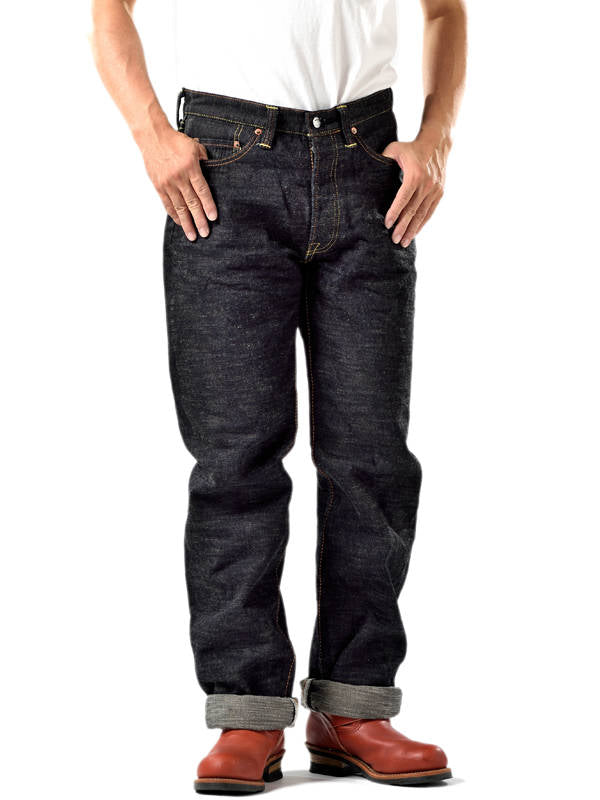
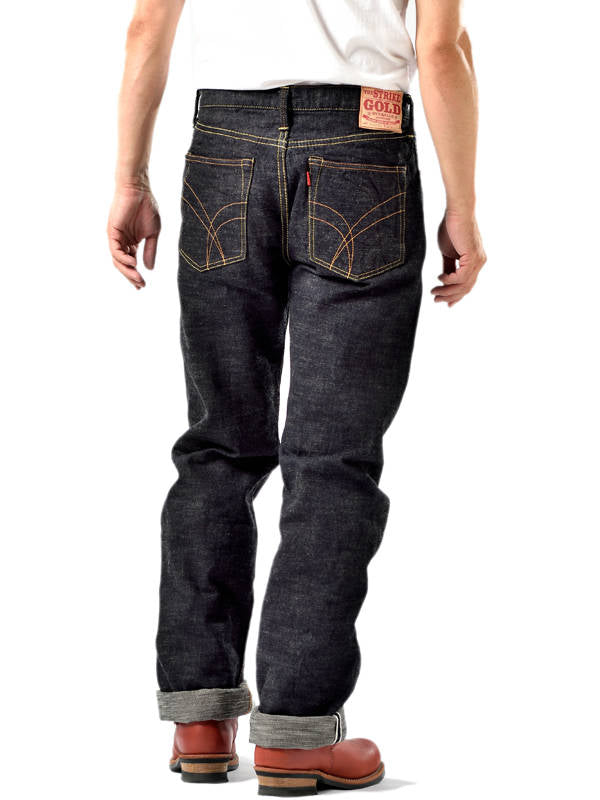
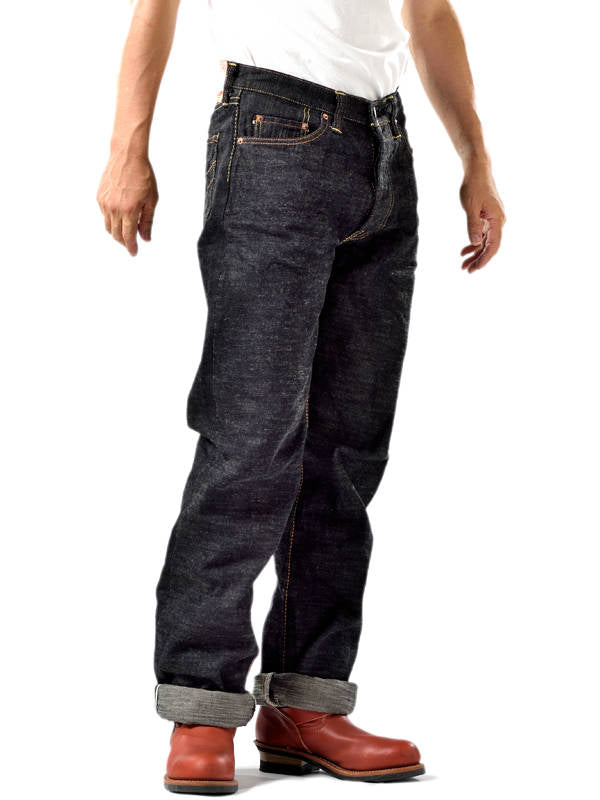
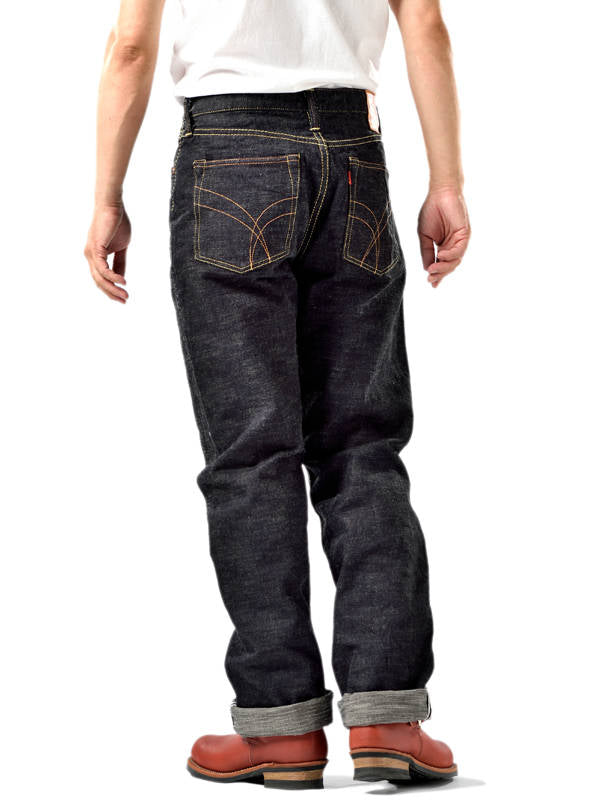
The Strike Gold's Origin series falls within this range, offering 14 oz fabric built around material character rather than weight as a selling point.
How The Strike Gold Thinks About Oz

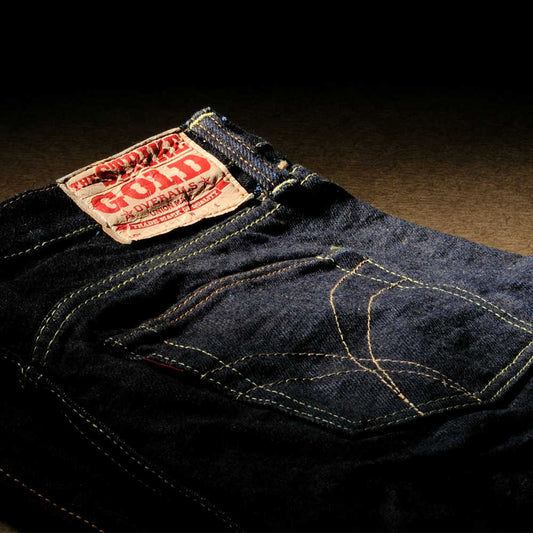
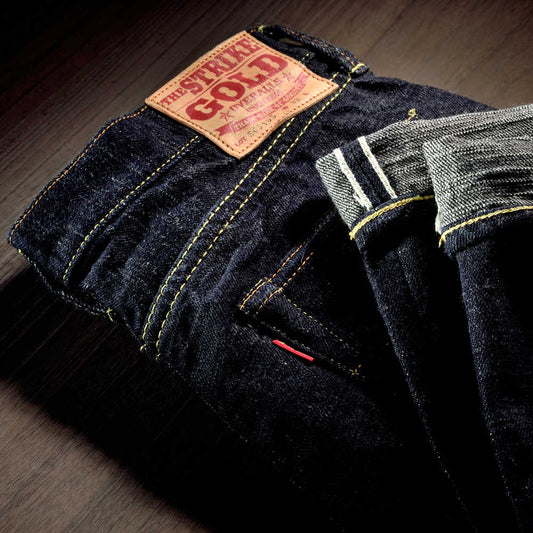
The Strike Gold works exclusively with untreated Japanese raw denim, used in its natural woven state.
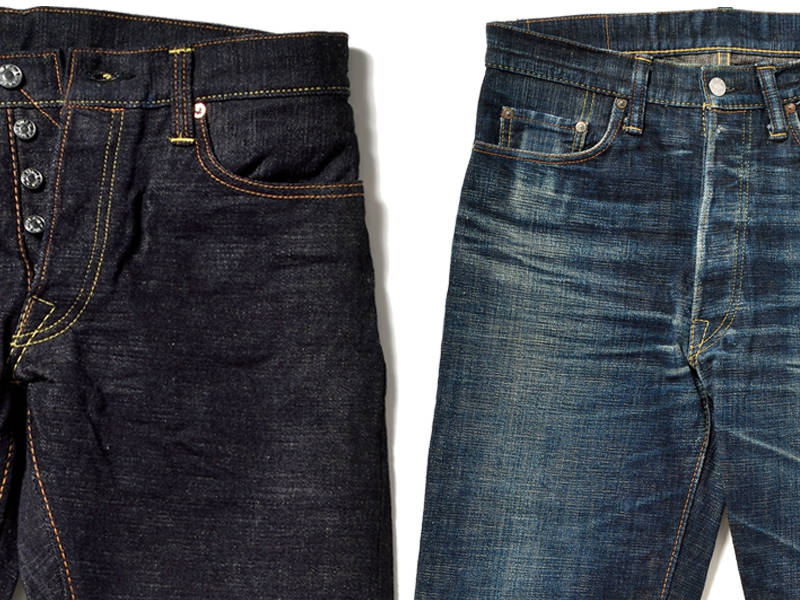
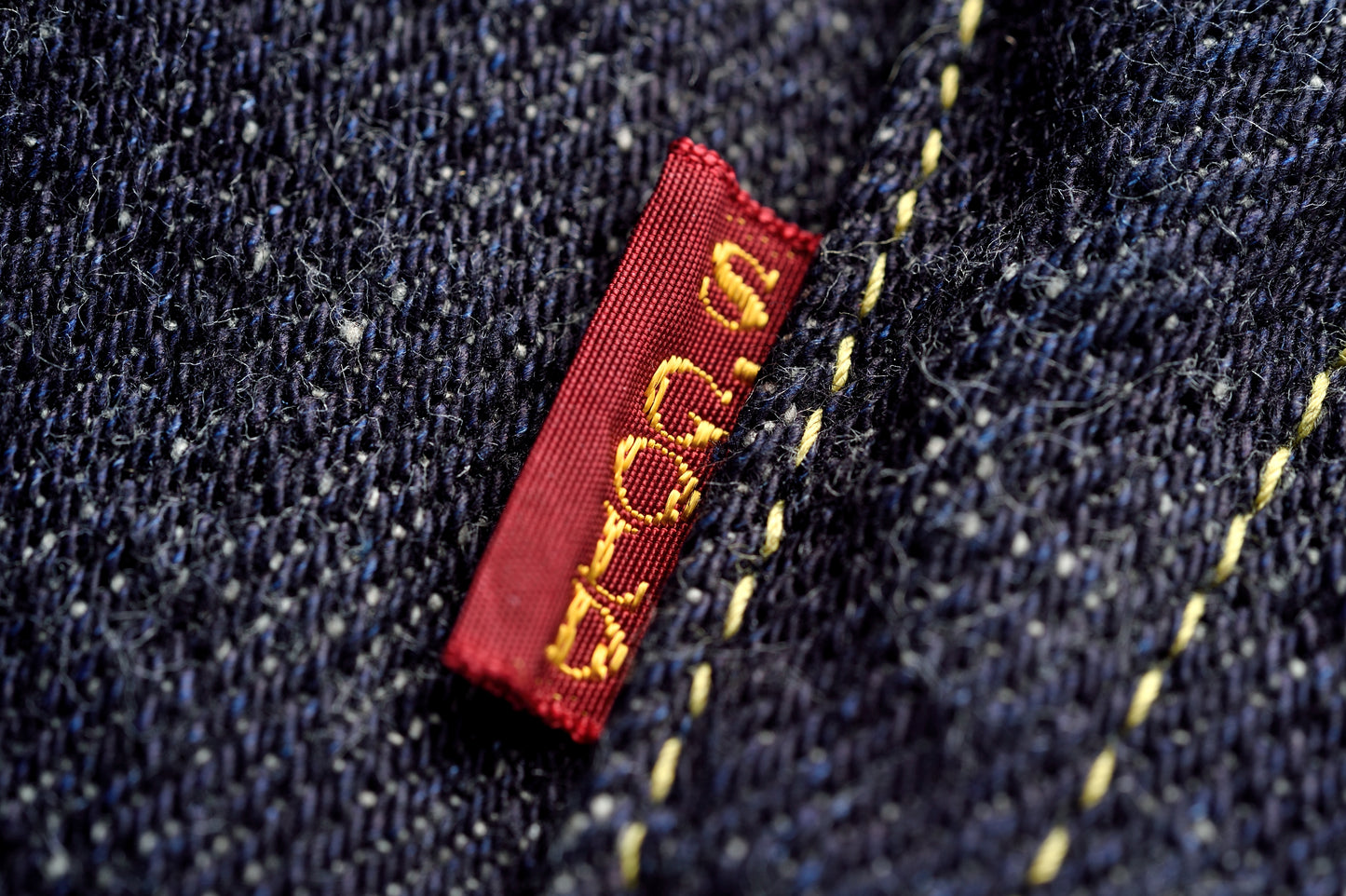
Rather than optimizing for how the denim looks at purchase, the fabrics are designed around how they'll evolve. A heavier denim can feel surprisingly soft. A lighter one can feel rigid and structured. Surface texture — rough, smooth, slubby, clean — has nothing to do with oz.
We treat ounce as one variable among many. The real character of a fabric comes from its yarn, its weave structure, and the tension on the loom. Those are the things worth choosing by.
The Strike Gold Series Guide: How to Choose by Character, Not Just Weight

Each Strike Gold series is built around a specific fabric character — a particular combination of yarn, weave, and tension that shapes how it feels and ages. Oz gives you a rough orientation. The descriptions below tell you the rest.
We've also included two other Japanese raw denim brands carried at Klaxon — Sugar Cane and Studio D'Artisan — for those who want to explore beyond The Strike Gold lineup.
For Well-Balanced Aging
Origin Series SG10XX (14 oz)
Developed through the analysis of deadstock denim from the 1940s–50s, this series aims to recreate the texture and character of that era in a modern context.
It uses neppy yarn that preserves the cotton’s natural, coarse fiber character, and is woven carefully at low tension to produce a simple yet deep, textured surface. The firmness typical of right-hand twill is balanced with the soft loft created by slow shuttle looms, allowing for pronounced vertical fading to emerge with wear.
At 14 oz, the weight is easy to wear, while still offering a pure expression of denim’s natural texture and aging potential. This series is suited to those who prioritize fabric character shaped by materials and weaving, rather than ounce alone.
For a Timeless, Classic Feel
Classic Series SG51XX (15 oz)
A core model representing The Strike Gold, this standard series is easy to wear and well-suited for long-term aging.
By weaving gray slub yarn into the weft at a slow pace, the fabric develops a distinctive, uneven texture with depth. The combination of deeply dyed indigo warp and gray weft creates a rich blue tone that evolves with wear into a grid-like vertical fading reminiscent of vintage denim.
Within the balanced range of 15 oz denim, it suits those who want to experience both classic denim character and natural aging.
For Deep Color and Strong Contrast Fading
Classic Series Double Indigo SG50XXID (15 oz)
Based on The Strike Gold’s standard model, this series is designed to emphasize deeper color and more pronounced aging contrast.
Using gray slub yarn in the weft and weaving slowly, it creates a textured, dimensional surface. The combination of deeply dyed indigo in both warp and weft creates a richer blue tone, which evolves into high-contrast, grid-like fading with wear.
At 15 oz, it maintains a balanced weight while providing stronger contrast in aging for those who want more tonal variation.
Explore the Classic Double Indigo Series
For Unique Texture and Natural Irregularity
Shower Slubby Series SG81XX (16 oz)
This series is defined by its flowing, streak-like fading, created with yarns of varying shades.
The warp uses slub yarn rope-dyed at different intensities, introducing uneven color within each thread. The weft also incorporates slub yarn, and the fabric is woven slowly at extremely low tension on vintage shuttle looms to create a delicate yet deeply layered texture.
With continued wear, it develops a distinctive vertical fading pattern that flows like a shower. At 16 oz, it falls in the mid-weight range while emphasizing color and surface variation.
For Material Background and Textured Depth
Keep Earth Series SG01XXKE (17 oz)
This series was developed to balance environmental consideration with long-term aging.
It uses 100% organic cotton yarn, made from virgin organic cotton and fallin cotton waste generated during the spinning process. Thick slub yarn—typically difficult to produce due to fiber fragility—is achieved here, creating a distinctive texture and depth.
The fabric is dyed with 100% natural indigo via rope-dyeing, creating a rich base for nuanced aging. At 17 oz, it offers both weight and the ability to appreciate the character created through materials and production methods.
For a Dense, Substantial Feel
Tough Series SG21XX (17 oz)
Inspired by the strength of workwear and the rugged aging that develops over time, this series is woven at maximum density.
Using beige yarn in the weft and vintage shuttle looms, the fabric is tightly woven to create both the weight of 17 oz denim and a firm, substantial feel. The subtle presence of beige weft on the surface adds character to the indigo warp, contributing to bold, high-contrast aging over time.
This series is suited to those who prioritize fabric density, surface character, and long-term change, rather than ounce alone.
For Left Twill Fading
Cool Series SG31XX (17 oz)
The only left-hand twill denim in The Strike Gold lineup, this series is defined by a distinctive fading pattern known as “line fading.”
Woven densely with beige weft yarn on vintage shuttle looms, it combines the weight of 17 oz denim with a firm structure. The interaction between the beige weft and indigo warp adds depth, while long-term wear produces sharp, high-contrast aging distinct from right-hand twill.
It is suited to those who want to explore how weave structure—beyond ounce—affects the fabric’s appearance over time.
For a Strong Texture and Distinct Character
Super Slubby Series SG71XX (17 oz)
This series brings out the strongest possible expression of irregularity and surface texture.
It combines heavily rope-dyed indigo warp with highly slubbed weft yarn, and is woven at the loosest possible tension on vintage shuttle looms. This creates a rough, highly textured surface with strong dimensionality.
With wear, it develops large, rugged fading patterns, offering a different experience even for those familiar with denim. At 17 oz, the emphasis is on the character created by yarn and weaving, rather than weight alone.
Sugar Cane
Named after the sugarcane plant, Sugar Cane is a Japanese raw denim brand rooted in one of Japan’s earliest postwar manufacturers producing clothing for the U.S. market.
Launched by Toyo Enterprise in 1965, it began producing garments for U.S. military personnel stationed in Japan before becoming a domestic brand. Its approach is grounded in vintage American culture and production methods, resulting in denim that retains the atmosphere of that era.
This brand is suited to those who want to choose denim not only by ounce, but also by the history and cultural background behind it.
Studio D’Artisan
Known for creating Japan’s first selvage jeans, Studio D’Artisan is one of the leading names in Japanese raw denim. Founded in 1979, it emerged during a time when mass production had begun to overshadow traditional denim craftsmanship. The brand focuses on the original qualities of denim—such as firmness, irregular texture, and aging characteristics created by vintage shuttle looms—and has worked to preserve and revive these elements.
By bringing once-discontinued shuttle looms back into operation, it reproduces the essential character of historical denim in a modern context.
It appeals to individuals who want to choose denim not only by weight but also by the philosophy and background of its production.
Why Denim Can’t Be Defined by Weight Alone
As mentioned earlier, "ounce" is a unit of weight that does not fully represent the characteristics of denim fabric. Even when the weight is the same, variations in feel and appearance can arise from other factors. These include yarn thickness, the degree of irregularity, the weaving method, and the level of tension used during production.
A higher ounce does not necessarily mean better denim, and quality cannot be determined by weight alone. Instead of focusing solely on the ounce measurement, it's more important to consider the specific qualities you desire in denim.
The ounce measurement is not an indicator of superiority; it instead highlights differences in fabric properties. Lightweight denim is comfortable to wear, while heavier denim offers structure and depth. Each type has its own unique appeal.
Oz Is a Starting Point — Character Is What Stays

Ounce is a useful reference. It tells you roughly where a fabric sits on the weight spectrum, and that does affect how it wears in different climates and seasons. But it doesn't tell you what the denim is made of, how it's woven, or what kind of fades it will develop.
A higher number isn't better denim — it's different denim. The same is true at the lighter end. What matters is finding a fabric whose character matches how you want to wear it and what you want it to become over time.
At Klaxon, all jeans are sold one-wash, so you can size without worrying about shrinkage. If you're ready to find your pair, explore The Strike Gold lineup below.